>>
30-MINUTE MEALS! Get the email series now →


A bright, tangy lemon caper sauce that elevates fish, chicken, or roasted vegetables in under 20 minutes.
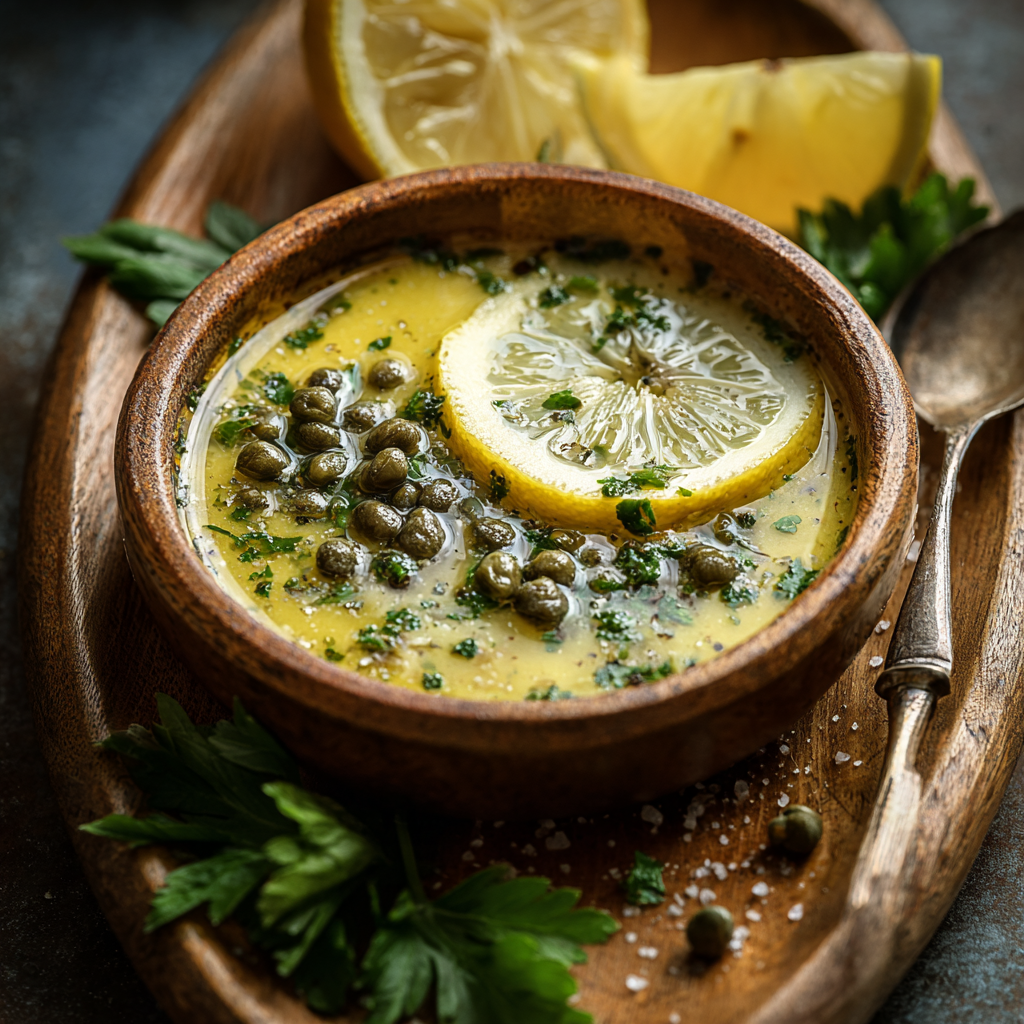
This simple lemon caper sauce has been a pantry-to-table lifesaver in my kitchen for years. I first stumbled on the idea on a rainy evening when I wanted something bright and fast to lift a sad piece of frozen fish. The combination of sharp lemon, briny capers, butter, and a hit of garlic transformed dinner into something that tasted like I’d been cooking all afternoon. It’s become my go-to when I want a sauce that’s fresh, reliable, and versatile—one that makes even modest ingredients feel celebratory.
The texture is silky, the flavor a balanced blur of acidity and salt with a glossy finish, and the aroma is the sort that makes everyone pause and ask what’s for dinner. I often double the batch for guests because it disappears quickly; the sauce clings to fish, brightens poached chicken, and dresses roasted asparagus beautifully. I’ll share the tiny techniques that keep it from splitting, the brands and substitutions that work, and meal-prep notes so you can make it ahead and reheat without losing brightness.
I remember serving this at a spontaneous dinner for neighbors; someone said it tasted like a restaurant version of a classic. My teenage daughter now requests it on salmon night, and I find myself reaching for it whenever I want a fast boost of flavor without fuss. The tiny ritual of zesting lemons and whisking in a pat of butter feels like the difference between a thrown-together dish and one made with intention.
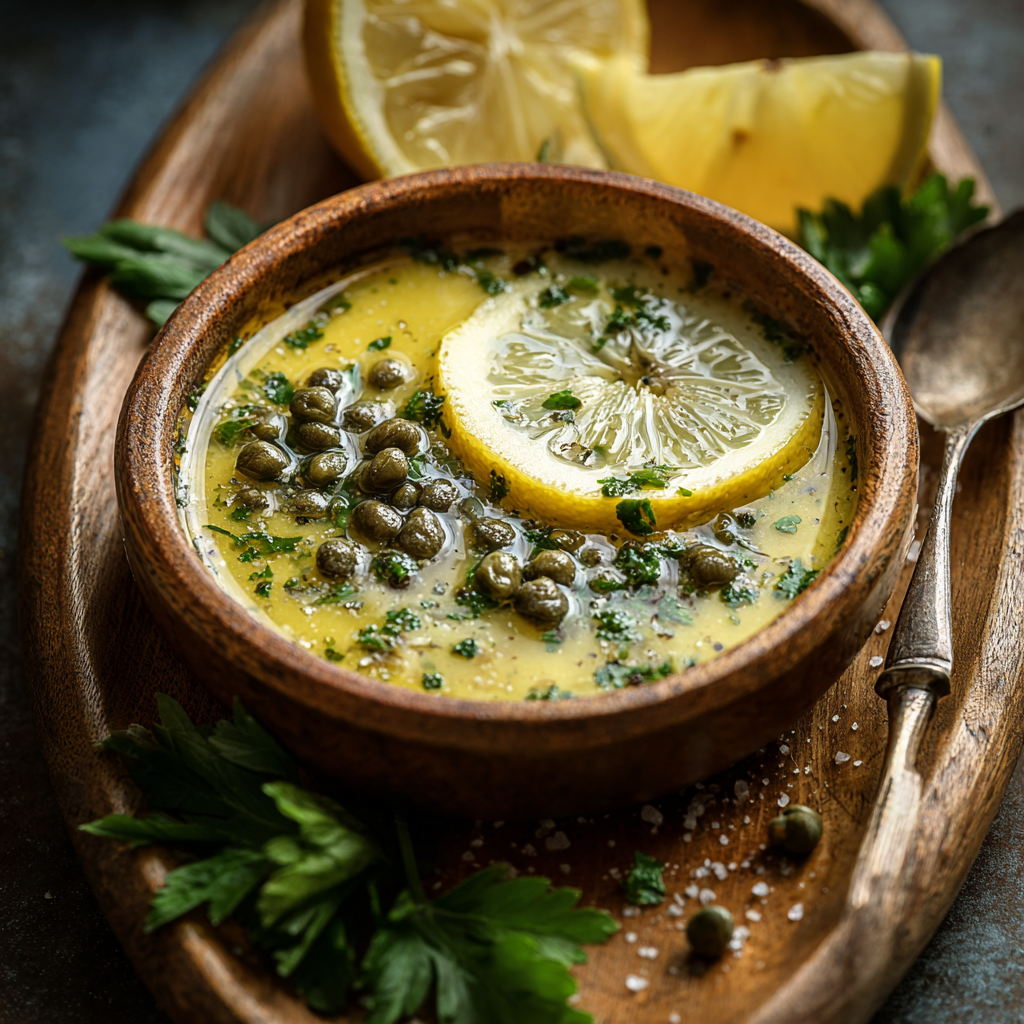
My favorite aspect is how little time it takes to transform a meal: ten focused minutes and the whole plate feels considered. Family members often say it tastes like something we’d order out, but the truth is the technique—zest, reduce, and finish cold butter—makes the sauce sing. I’ve served it at holidays and on quiet Tuesdays; both times it drew compliments.
Store leftover sauce in a sealed glass jar in the refrigerator for up to three days. Glass keeps flavors clean and avoids plastic odors. To freeze, transfer to a freezer-safe container and use within three months; thaw overnight in the refrigerator and rewarm gently in a small saucepan over low heat, whisking in a teaspoon of warm water or stock if it feels too thick. Avoid reheating in the microwave at high power, which can break the emulsion and make the sauce oily.
If you need dairy-free, replace butter with 2 tablespoons extra-virgin olive oil and whisk in an extra 1 teaspoon of oil at the end for sheen. If you prefer less acidity, swap half the lemon juice for an equal amount of low-sodium chicken broth. For a herb-forward version, add 1 tablespoon chopped dill or chives in place of parsley. If you don’t have wine, substitute an equal amount of water plus 1 teaspoon white wine vinegar to mimic the acidity.
Serve spooned over pan-seared or baked salmon, halibut, or cod; it also brightens roasted root vegetables and steamed green beans. For a simple dinner, pour over grilled chicken breasts and serve with a side of roasted potatoes and a crisp green salad. Garnish with extra lemon zest and a few whole capers for a restaurant-style finish. The sauce pairs well with light white wines like Pinot Grigio or unoaked Chardonnay.

The combination of lemon and capers is deeply rooted in Mediterranean cooking, particularly Italian and Provençal traditions where preserved capers and citrus are abundant. Capers have long been used to add concentrated briny notes to fish sauces and dressings; pairing them with lemon brightens oily fish and cuts through richer elements. Over time, this approach migrated into restaurant cooking worldwide, becoming a classic finishing touch for simple proteins.
In spring, amplify freshness by adding a tablespoon of chopped tarragon or chive blossoms; in summer, use extra lemon and add chopped basil for a vibrant herbaceous note. In colder months, swap the lemon zest for a small amount of orange zest to lend a sweeter citrus tone, and consider adding a splash of warm chicken stock to make the sauce heartier for roasted winter vegetables.
Make the sauce up to three days ahead and store it chilled. Portion into small jars for quick reheating and plating—two tablespoons per serving is a good rule of thumb. When reheating, use a low flame and stir gently; if the sauce has separated, whisk in 1 teaspoon of warm water or stock and a small pat of cold butter off-heat to bring it back together. Label containers with the date to track freshness.
This bright lemon caper sauce is one of those simple techniques that rewards attention to small details: zest, careful reduction, and finishing cold butter. Try it once and you’ll find yourself reaching for it again and again—whether for a midweek dinner or your next small celebration. Make it yours by adjusting acidity and herbs to taste, and enjoy how a little sauce can change a meal.
Always finish the sauce off heat with cold butter in small pieces to create a glossy emulsion without splitting.
If the sauce tastes too tart, balance with 1 teaspoon honey or a pinch of sugar, then re-taste.
Rinse capers briefly if you want to reduce salt; retain a little brine to preserve the intended flavor balance.
For a smoother sauce, strain out the garlic before finishing, but garlic left in adds texture and depth.
This nourishing simple lemon caper sauce recipe is sure to be a staple in your kitchen. Enjoy every moist, high protein slice — it is perfect for breakfast or as a wholesome snack any time.
Yes. The sauce can be made dairy-free by replacing the butter with extra-virgin olive oil. Whisk in the oil off-heat for shine.
Store refrigerated for up to 3 days in an airtight container; freeze up to 3 months. Reheat gently over low heat.
This Simple Lemon Caper Sauce recipe makes perfectly juicy, tender, and flavorful steak every time! Serve with potatoes and a side salad for an unforgettable dinner in under 30 minutes.
Measure and prepare everything before heating the pan: zest the lemon, juice until you have 2 tablespoons, mince garlic, and drain capers. Have cold butter cut into pieces for finishing.
Warm 1 tablespoon olive oil in a small skillet over medium heat. Add minced garlic and cook 20–30 seconds until fragrant but not browned to avoid bitterness.
Pour in 1/4 cup dry white wine or chicken stock, bring to a simmer, and reduce by half (about 2–3 minutes) to concentrate flavor and form the base of the sauce.
Stir in 2 tablespoons lemon juice, 1 teaspoon lemon zest, and 2 tablespoons capers. Simmer briefly for one minute to marry flavors and taste for seasoning.
Remove from heat and whisk in cold butter, piece by piece, to create a glossy emulsion. Stir in chopped parsley and finish with black pepper. Serve immediately.
Last Step: Please leave a rating and comment letting us know how you liked this recipe! This helps our business to thrive and continue providing free, high-quality recipes for you.
Leave a comment & rating below or tag
@flavordaisy on social media!

Crispy battered cauliflower tossed in tangy Buffalo sauce — a spicy, vegetarian party favorite that's easy to make in the air fryer.
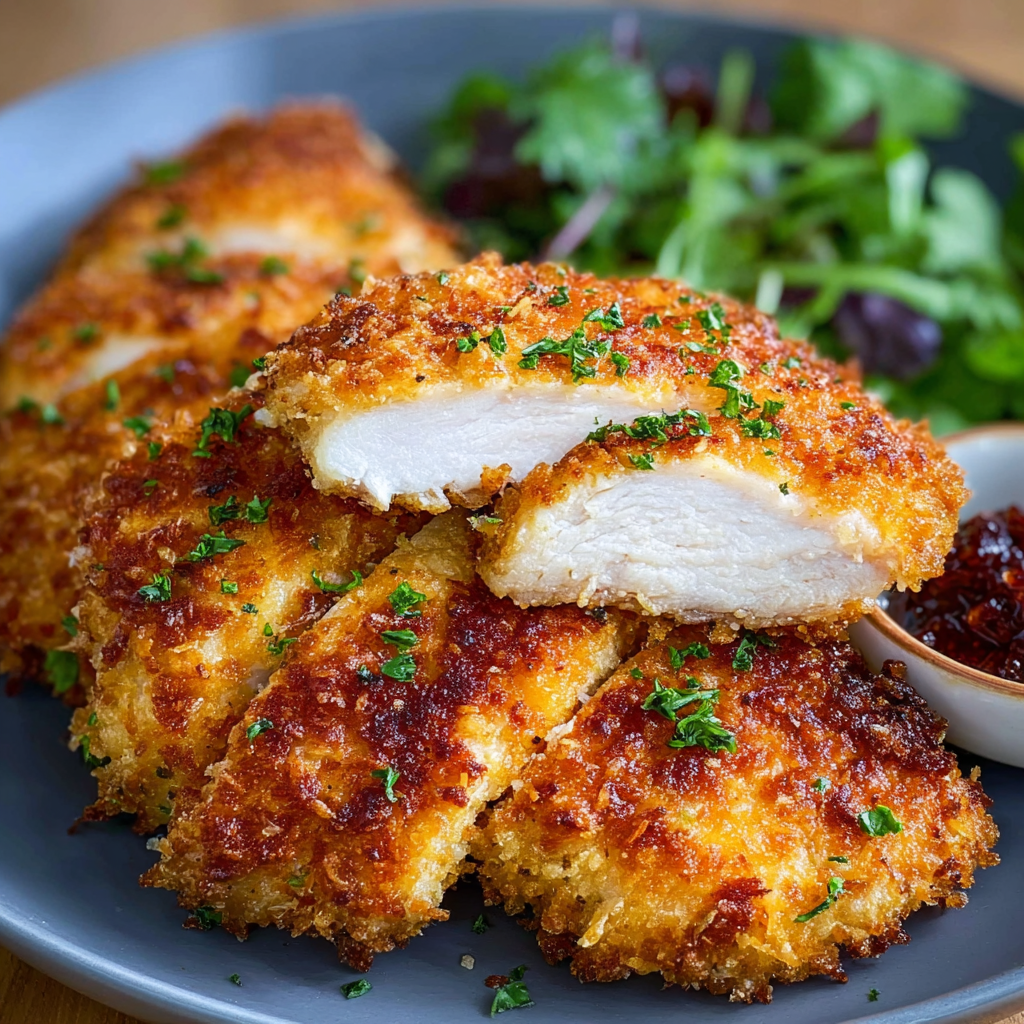
Crispy, golden air fryer chicken coated in a crunchy Parmesan-panko crust — a quick, family-friendly dinner that's juicy inside and perfectly seasoned.
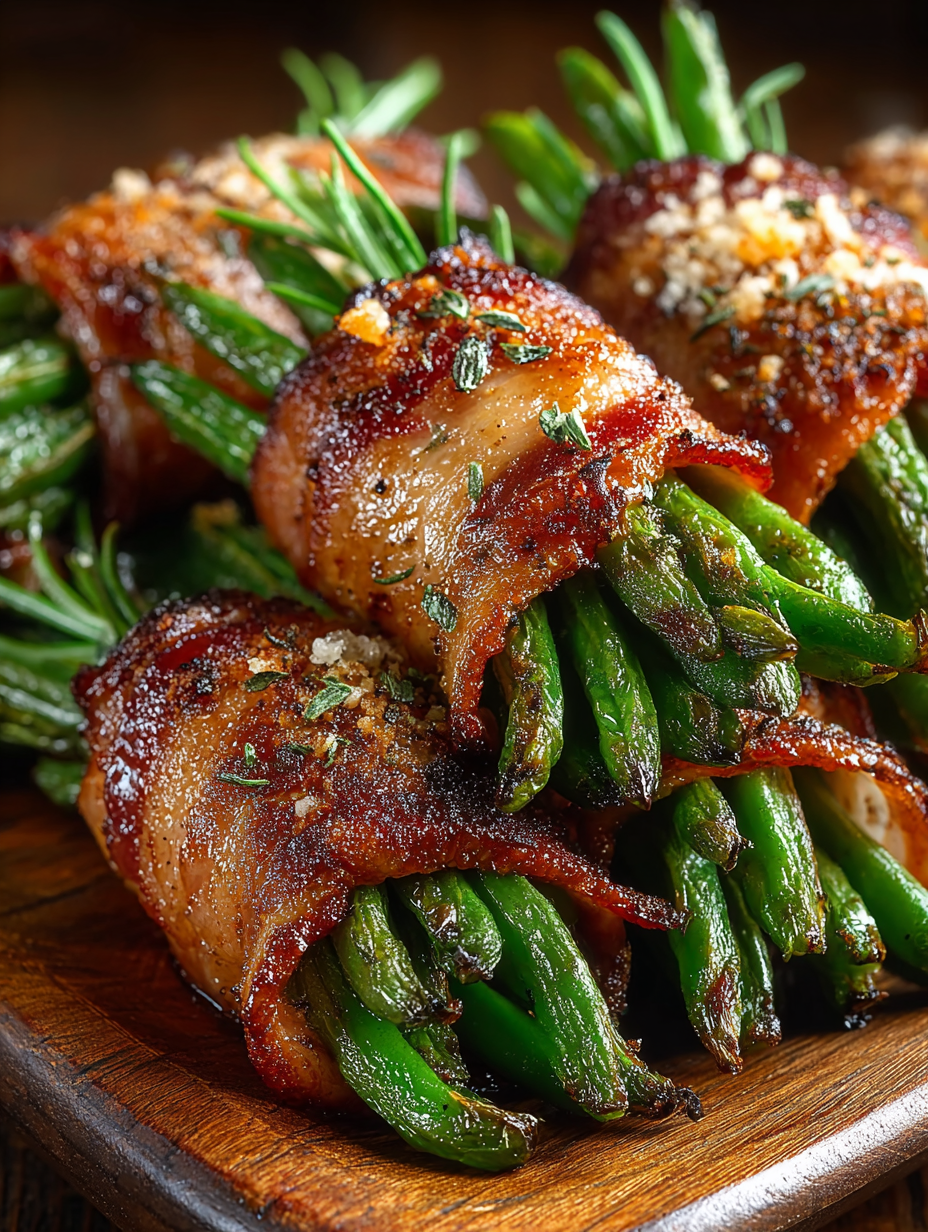
Crisp tender green beans wrapped in savory bacon and finished with an optional sweet soy glaze. Perfect for parties and holiday spreads.
Leave a comment & rating below or tag @flavordaisy on social media!
Enjoyed this recipe? Share it with friends and family, and don't forget to leave a review!
This recipe looks amazing! Can't wait to try it.
Comments are stored locally in your browser. Server comments are displayed alongside your local comments.

Join to receive our email series which contains a round-up of some of our quick and easy family favorite recipes.